Get in touch with our team to learn more about our research program or to partner with us.
+61 3 9244 5729

Improving access to the right care at the right time
We aim to improve access to quality care for cancer-related low muscle mass (sometimes referred to as sarcopenia) and enhance treatment outcomes for individuals with low muscle mass across Australia.
Establishing Pathways to Improved Care for Cancer-related Sarcopenia (EPICCS) is a research program dedicated to improving access to quality care for low muscle mass to improve outcomes for people with cancer in rural and specialised cancer centres across Australia. EPICCS is funded by the Medical Research Future Fund and embedded within the Deakin Institute for Physical Activity and Nutrition at Deakin University.
Our multidisciplinary team of expert researchers and healthcare professionals have expertise in diverse research methodologies and healthcare specialities. Notably, our team includes people with lived-experience of cancer and cancer-related low muscle mass, which is central to our collaborative research approach.
Cancer-related low muscle mass, sometimes referred to as sarcopenia, affects up to 50% of people with cancer, leading to reduced capacity to tolerate treatment and contributing to reduced survival rates.
Despite its significant impact on health, the condition is currently unrecognised and untreated due to the lack of a rapid and simple means of finding people at risk. We are developing and implementing a screening tool and referral pathway into evidence-based care to ensure people at risk of cancer-related low muscle mass are treated in a timely manner, improving capacity for cancer treatment, leading to better cancer outcomes.
As an Australian Cancer Plan implementation partner, EPICCS are working across three key areas to reduce inequities in cancer care by supporting improved access to evidence-based and cost-effective models of nutrition and exercise care.
We are focused on transforming care for people with cancer-related low muscle mass through early identification of those in need of further support.
Our research will ensure constrained allied health resources are directed towards people living with cancer who are most at need, improving the efficacy and equity of health service delivery, especially in rural areas.
We partner with people with cancer, health professionals, health services and policy makers for an immediate impact on practice. Our approaches ensure our research is informed by the people who will use it, leading to improved uptake and outcomes.
If you are a researcher, health professional or community member and would like to stay up to date with the EPICCS research program, please complete this form receive updates from the EPICCS research program.
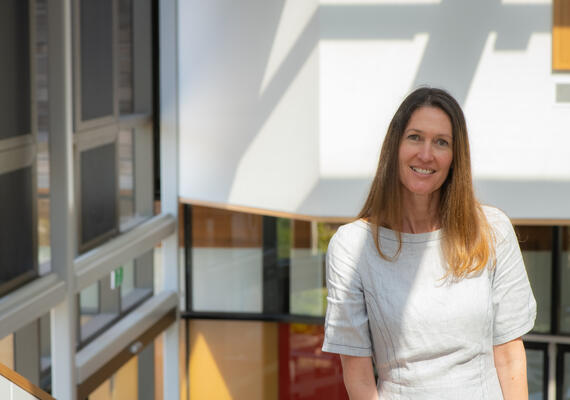
The EPICCS project will transform care for cancer-related sarcopenia across Australia.
Lead Investigator of EPICCS
Our program takes action to improve capacity for cancer treatment, leading to better cancer outcomes.

We are developing and validating a short and simple screening tool to identify people with cancer at risk of low muscle mass and referral pathways to overcome barriers to accessing timely nutrition and exercise care.

In a stepped wedge trial at 4 rural and specialist cancer centres across Australia, the screening tool and referral pathway will be embedded in clinical practice to assess the impact on access to care, the workforce, clinical outcomes and health care costs.
Our multidisciplinary team of experts including oncology, nursing and allied health professionals, experienced researchers and people with lived experience of cancer and cancer-related low muscle mass are dedicated to improving quality of care and cancer-related outcomes.
Professor Nicole Kiss is an associate professor within the Deakin Institute of Physical Activity and Nutrition and the lead investigator of EPICCS. Associate Professor Kiss is a clinician researcher specialising in nutrition, body composition and cancer.
Dr Annie Curtis is a postdoctoral researcher within the Deakin Institute of Physical Activity and Nutrition at Deakin and the project manager of EPICCS. Dr Curtis is an accredited practising dietitian whose research focuses include nutrition and cancer.
Natalie Maxwell-Davis
Nicki Taylor
Paul Malouf
Kathryn Whitfield
Dr Kerrie Vaughan
Megan Frizon
Marie Malica
Associate Professor Merran Findlay
Rebecca Nunes
Sandra Day
If you are a clinician and are interested in a PhD opportunity with our team, please get in touch.
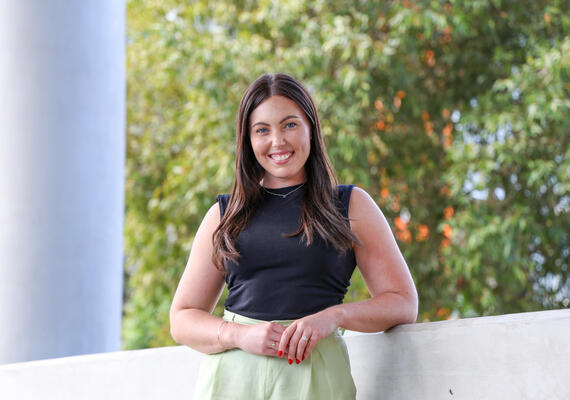
The EPICCS project will help people with cancer feel better informed, supported, and in control of their own care.
Project Manager of EPICCS
Our research studies are strengthened by collaborative partnerships with Australia hospitals and health services, government departments and cancer organisations, including:
Keep up with the latest news and events from the EPICCS team.
Key interim findings from the EPICCS program were presented at the Multinational Association of Supportive Care in Cancer (MASCC) conference in Melbourne in June. Upcoming conferences and presentations include the Western Alliance Symposium in Lorne, Victoria and World Conference on Lung Cancer in South Korea.
In November 2025 the EPICCS research team welcomed PhD candidate and dietitian Natalie Tan. Natalie will conduct further validity studies on the screening tool during her candidature. If you are a clinician who is interested in pursuing research, get in touch with us.
Early identification of cancer-related muscle loss is essential to enable timely interventions and reduce risk of mortality. The first EPICCS research publication identified 20 key risk factors, of which 13 were consistently associated, which are associated with cancer-related low muscle mass and may help flag patients earlier for timely assessment and treatment.
Get in touch with our team to learn more about our research program or to partner with us.
+61 3 9244 5729